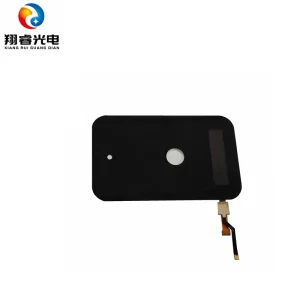
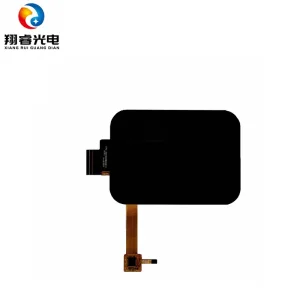
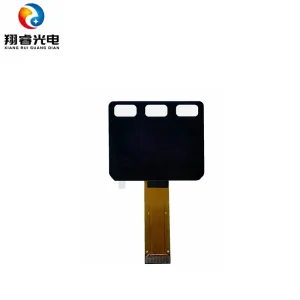
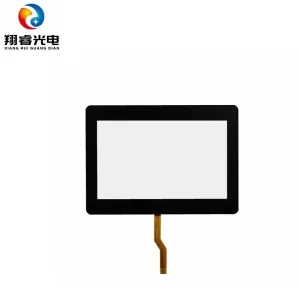
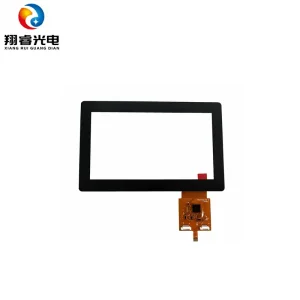
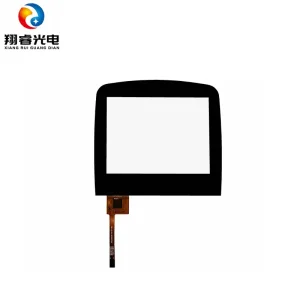
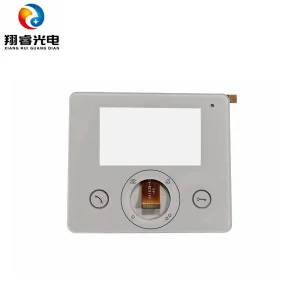
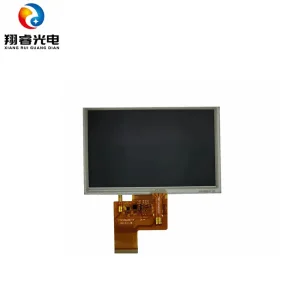
High-durability capacitive touch screens integrated with high-index optically clear resin (OCR) and dry-film OCA laminations, built for Kathmandu's industrial and outdoor display deployments.
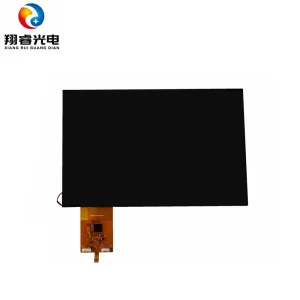
Why high-altitude, high-UV ambient conditions in the Kathmandu Valley require advanced optical display lamination over traditional air-gap assembly.
At an elevation of ~1,400 meters, Kathmandu experiences up to 25% higher UV index intensity and direct sunlight solar radiance compared to sea-level cities. Standard air-gap displays suffer from severe internal reflection (up to 8.5% total light loss), resulting in washed-out displays. Optical bonding eliminates the internal air gap using refractive index-matched resins ($n \approx 1.49$), reducing reflection to <0.5% and maintaining crisp 1500+ nits legibility without excessive backlight power drain.
Kathmandu's mountain climate is defined by wide diurnal temperature swings (ranging from 2°C in winter nights to over 35°C in summer peaks) combined with barometric pressure variations. Traditional air-bonded modules trapped with ambient air experience thermal expansion and internal condensation (fogging) under ambient humidity shifts. Liquid Optical Clear Adhesive (LOCA/OCR) forms a solid polymer bridge that is completely impervious to altitude expansion, thermal shock, and internal dew formation.
Rapid urban infrastructure development across Kathmandu, Lalitpur, and Bhaktapur presents high environmental PM2.5 and PM10 particulate challenges. For outdoor smart kiosks, transport ticketing terminals, and industrial HMI controls, dust ingress beneath the cover glass quickly degrades display clarity and touch sensitivity. Fully bonded touch assemblies achieve true IP65–IP68 sealing, structural anti-vibration resistance (MIL-STD-810H), and enhanced cover glass break strength.
Comparative analysis demonstrating why systems integrators and OEM manufacturers in Nepal are switching to full optical bonding for critical touch applications.
| Performance Parameter | Traditional Air-Gap Frame Bonding | Dry-Film OCA Optical Bonding | Liquid OCR / LOCA Optical Bonding |
|---|---|---|---|
| Refractive Index Matching | Poor ($n_{air} = 1.00$ vs $n_{glass} = 1.52$) | Excellent ($n_{OCA} = 1.48 - 1.49$) | Superior ($n_{OCR} = 1.49 - 1.51$) |
| Ambient Reflection Rate | High (8.5% – 13.5% total reflection) | Very Low (< 0.8% total reflection) | Ultra Low (< 0.4% total reflection) |
| Sunlight Readability (Kathmandu Outdoor) | Washed out; requires high power >2000 nits | High clarity; crisp at 800–1200 nits | Maximum clarity; readable at 600–1000 nits |
| Condensation & Dust Risk | High risk of fogging and dust entrapment | Zero gap; 100% dust & fog proof | Zero gap; 100% dust & fog proof |
| Impact & Shock Resistance | Standard cover glass rating (IK06 - IK07) | High energy absorption (IK08 - IK09) | Maximum shock dampening (IK09 - IK10) |
| Operating Temp Range | -10°C to +60°C | -30°C to +80°C | -40°C to +85°C (Wide Temp Grade) |
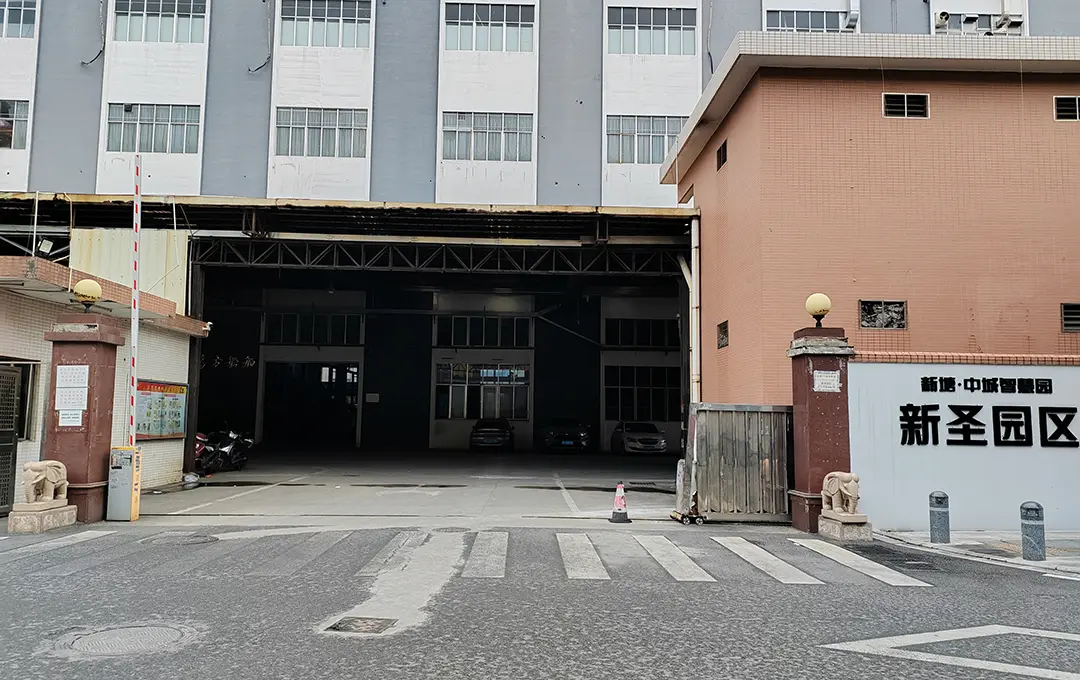
Founded in 2010 and headquartered in Guangzhou, China, Guangzhou Xiangrui Optoelectronics Technology Co., Ltd. is a recognized high-tech enterprise dedicated to the research, development, custom manufacturing, and global export of optical bonding products, capacitive touch panels (PCAP), resistive touch panels, and custom cover glass solutions.
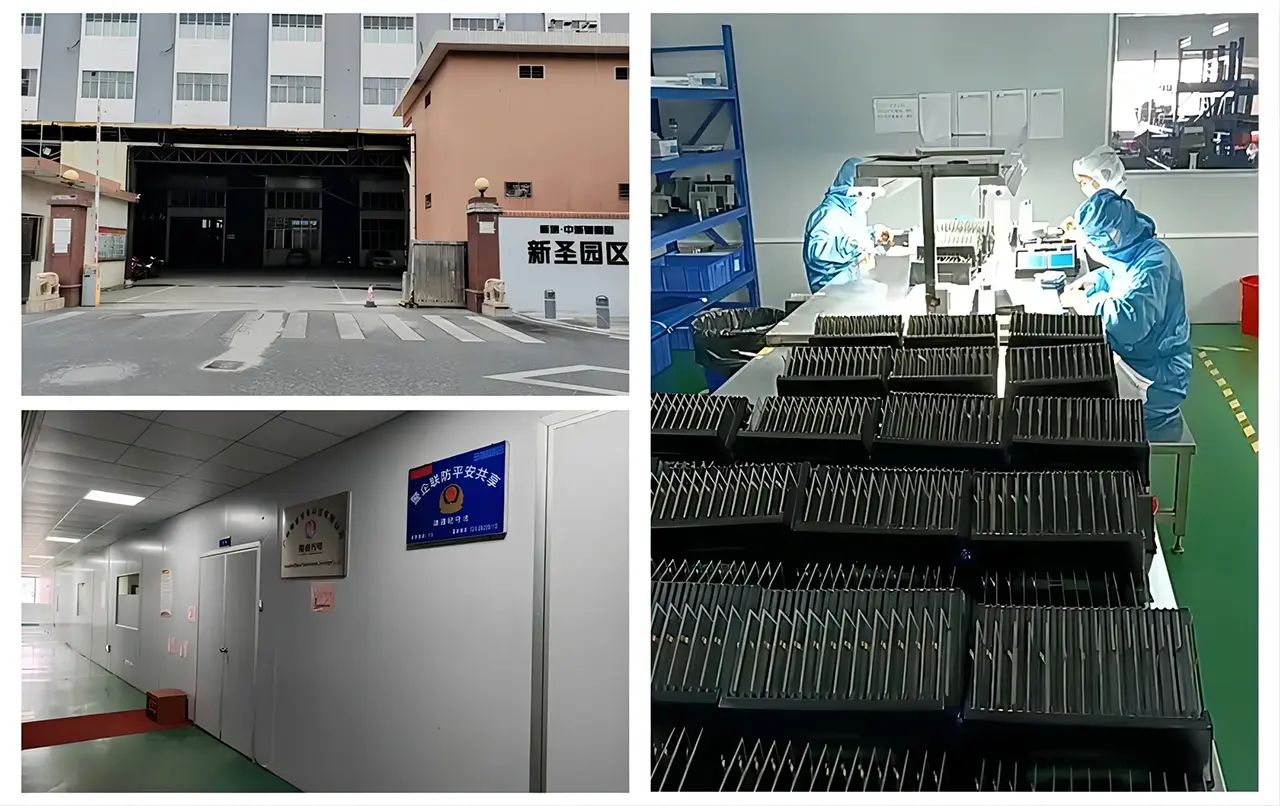
Operating out of an advanced manufacturing facility spanning over 3,000 to 10,000 square meters, our plant is outfitted with state-of-the-art Class 100, Class 1,000, and Class 10,000 dust-free cleanroom workshops to meet the stringent cleanliness standards required for high-yield optical lamination and bubble-free resin curing.
Certified under ISO 9001:2015 quality management systems and ISO 14001:2015 environmental protocols, our factory maintains rigorous standardized production procedures. Holding more than 30 utility model and invention patents, we serve industrial automation, medical diagnostics, smart home controls, outdoor rugged equipment, and biometric palm-print payment systems across more than 40 countries worldwide, including fast-growing electronics hubs in South Asia like Kathmandu.
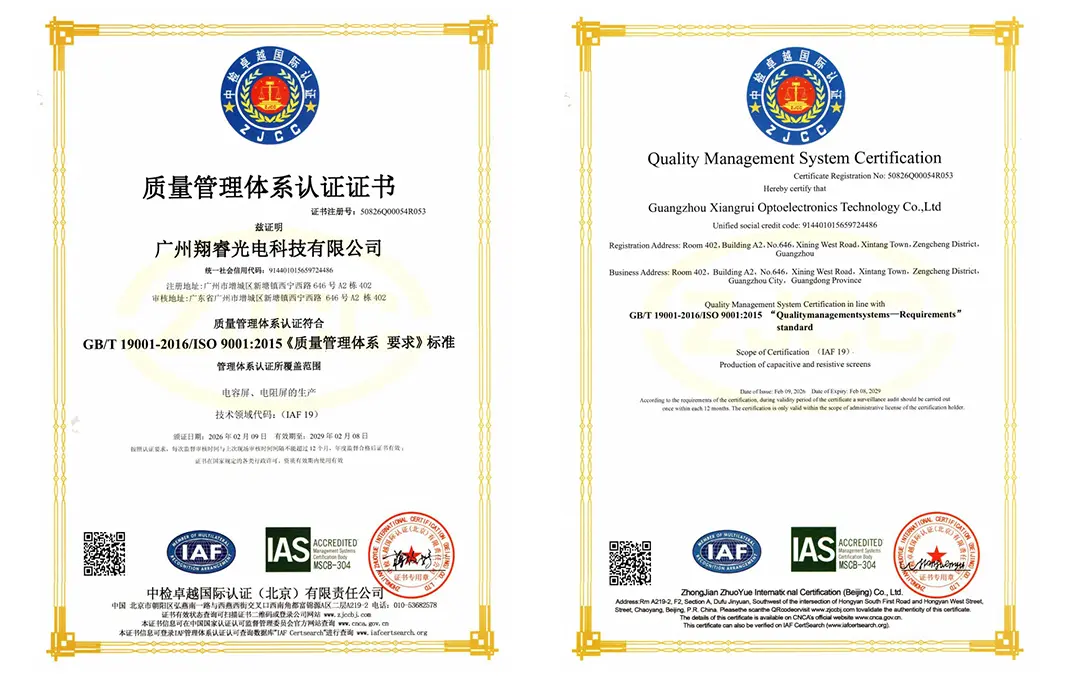
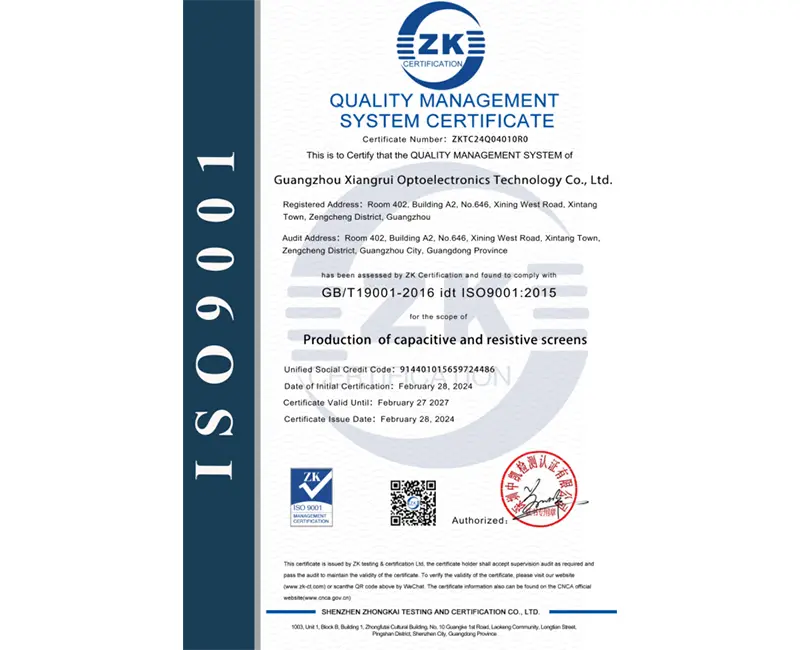
Targeted optical bonding configurations tailored for major infrastructure, medical, and municipal hardware developments across Nepal.
Nepal’s massive hydroelectric plants (e.g., Upper Tamakoshi, Marshyangdi) demand human-machine interfaces (HMIs) capable of continuous operation in humid, high-vibration turbine environments. Our wide-temp (-30°C to +85°C) optically bonded 10.1" and 15.6" PCAP displays withstand severe electromagnetic interference and fluid exposure while supporting heavy industrial glove operation.
Hospitals in the Kathmandu Valley require medical monitors with zero parallax distortion for precise surgical imaging and patient monitoring systems. Our optical bonding eliminates internal air layers, enhancing grey-scale accuracy, preventing condensation under sterilizing chemical washes, and providing anti-bacterial cover glass options (AF & AG coatings).
Deployed in high-footfall tourist heritage zones (Thamel, Durbar Square, Patan), interactive outdoor informational terminals face direct sunlight exposure, thermal stress, and potential vandalism. Optical lamination combined with 4mm–6mm IK10 shatterproof tempered glass guarantees sunlight readability and structural integrity under heavy urban usage.
Leveraging Guangzhou’s advanced optoelectronic manufacturing cluster to deliver high-yield customized display components directly to Nepal seamlessly.
Optical bonding requires extreme environment control. In our Guangzhou facility, class 100 micro-environments house fully automated dispense robots for liquid LOCA/OCR resin application and high-vacuum autoclave debiting chambers. This eliminates micro-bubbles down to sub-micron levels, preventing long-term delamination under Kathmandu's intense UV exposure.
Our engineering team conducts 100% automated optical inspection (AOI), spectral color shift testing, thermal cycling (-40°C to +85°C for 500 hours), and high-humidity operational stress testing prior to export dispatch.
Located in Guangzhou, our logistical hub facilitates rapid, direct transit options to Kathmandu. We offer optimized multimodal shipping routes via air freight directly to Tribhuvan International Airport (KTM) or land freight routes via Tatopani/Rasuwagadhi border customs ports.
We provide full export documentation compliance, custom harmonized tariff code matching (HS 8528 / HS 8471), robust anti-shock export packaging, and flexible batch engineering (from rapid OEM prototype samples to mass production fulfillment).
Expert insights addressing common engineering, procurement, and environmental challenges in display integration.
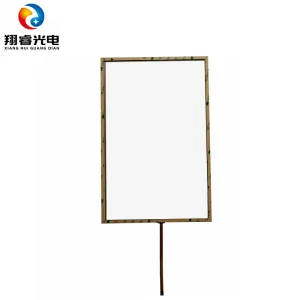
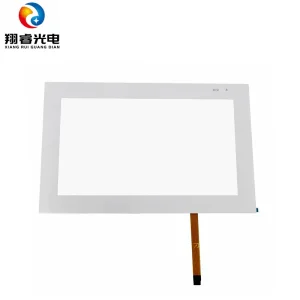
Browse our full range of capacitive touch panels, industrial resistive screens, and custom optical bonding assemblies.
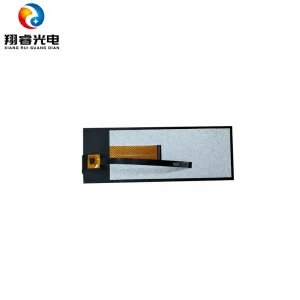
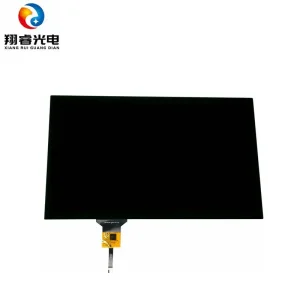
Contact our senior optical bonding engineers today to receive technical consultation, customized OEM design proposals, and factory-direct wholesale pricing.
Send Inquiry Now Xiangrui Optoelectronics